——— Injury Recovery Nutrition
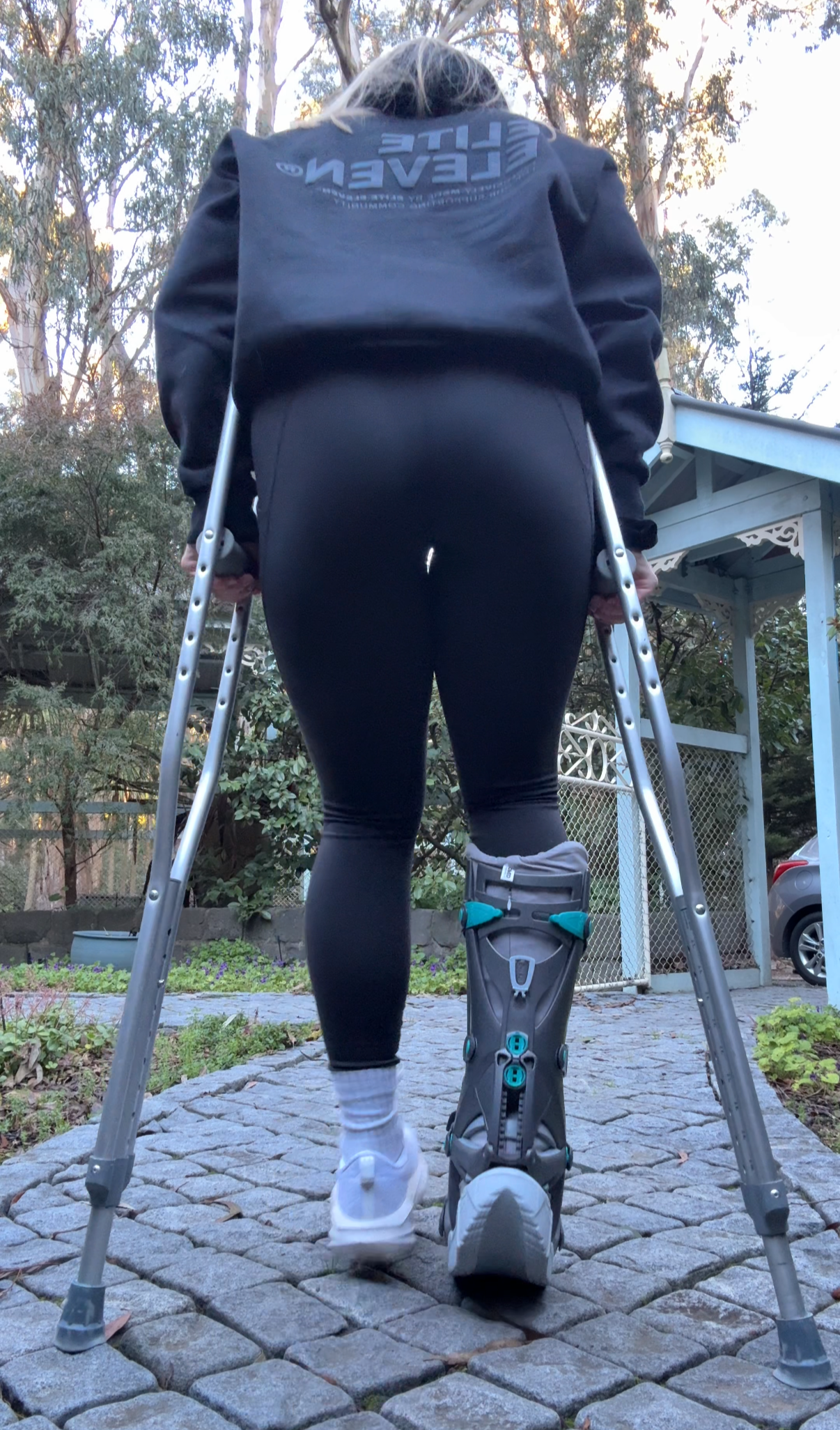
NUTRITION FOR Achilles & ACL
RECOVERY
You've done everything right — surgery, physio, rehab. But if your nutrition isn't working for your recovery, you're leaving one of the most powerful healing tools on the table. Evidence-based and lived nutrition strategies to help you heal faster, protect your muscle, and return to sport stronger.
Why Nutrition Matters in Recovery
💪 Muscle loss begins within days
Immobilisation causes rapid muscle atrophy. Protein intake and timing directly influence how much you lose — and how quickly you rebuild.
🔬 Collagen synthesis is nutrition-dependent
Tendon and ligament repair requires specific nutrients — vitamin C, collagen peptides, zinc — timed strategically around rehab sessions.
🔥 Inflammation can be managed through diet
Anti-inflammatory foods and specific omega-3 strategies can meaningfully reduce chronic inflammation and support faster recovery.
⚡ Energy intake needs recalibrating
Reduced training load changes your energy needs significantly. Getting this wrong leads to unwanted fat gain or dangerous under-fuelling that slows healing.
From someone who's been there!
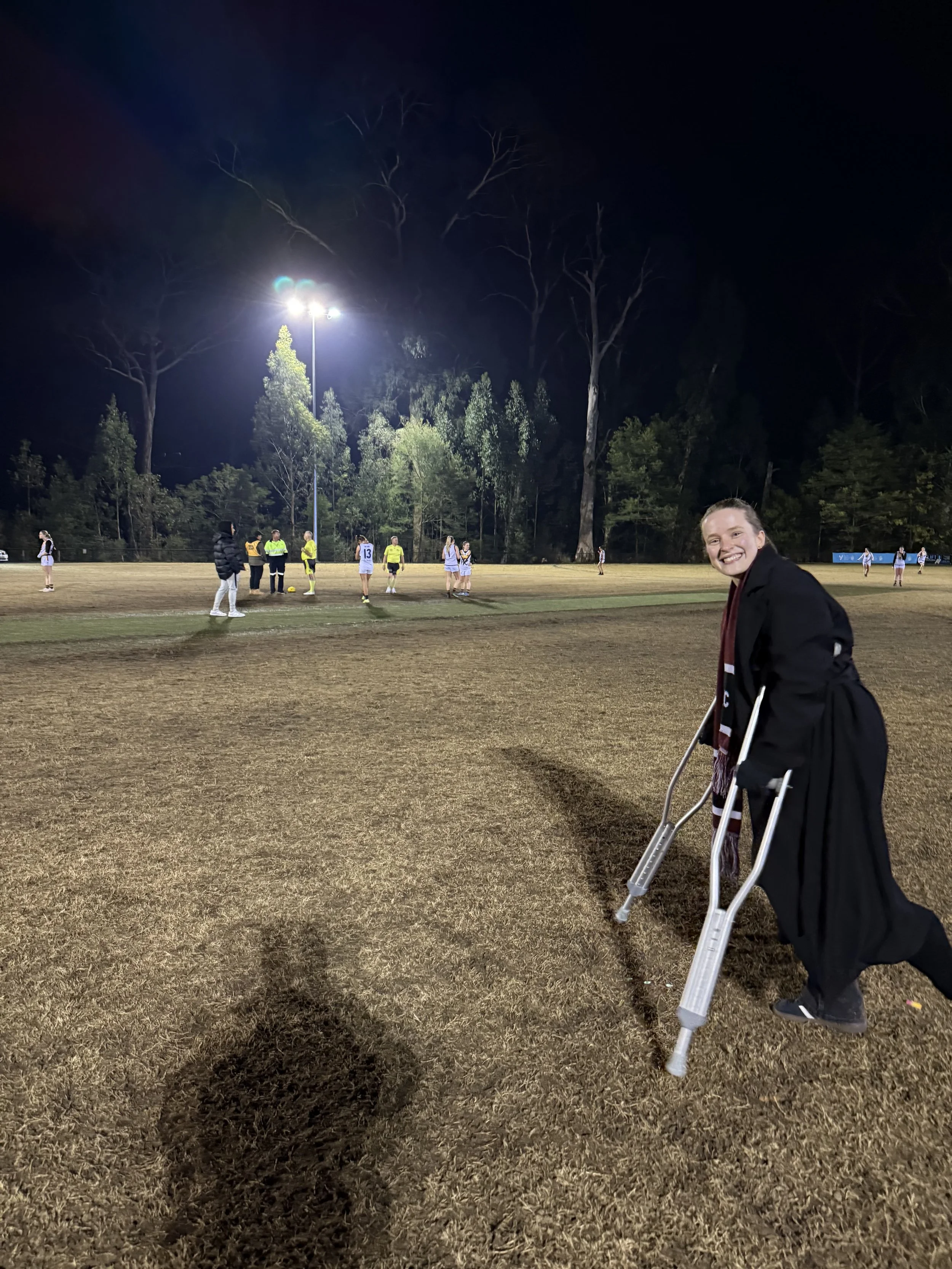
"I suffered an Achilles rupture as an athlete. I know what it feels like to face months of rehab, watch your fitness disappear, and have no idea whether you're eating in a way that's helping or hurting your recovery."
That experience is part of why Bella built Spice Nutrition's injury recovery plans. It combines the best available sports science on injury nutrition with the real-world understanding of what it's like to go through a serious injury as a competitive athlete. You won't get generic advice. You'll get a plan built around your specific injury, rehab timeline, and return to sport goals.
——— The Evidence
Nutrition Is Not Optional In Recovery.
Most athletes focus exclusively on the physical side of rehab — physio appointments, strength exercises, manual therapy. Nutrition is treated as an afterthought. This is a significant missed opportunity.
The research is clear: nutrition directly influences the rate of tissue repair, the degree of muscle loss during immobilisation, the inflammatory response, bone and tendon health, and even mental wellbeing during a long rehabilitation.
For Achilles ruptures and ACL reconstructions specifically — two of the most common and most devastating injuries in team sport — the nutritional demands shift dramatically from your normal training diet. Energy needs change. Protein targets change. Specific micronutrients become critical. Getting this right can make a meaningful difference to your recovery timeline and your long-term outcomes.
——— Phase by Phase Approach
Nutrition That Evolves With Your Recovery
Your nutritional needs change significantly across the recovery timeline. A one-size plan won't cut it — your strategy needs to adapt as you move from acute injury through to full return to sport.
Phase 1 - Immobilisation (Week 1-4)
Nutrition focus
Anti-inflammatory nutrition to manage acute swelling
High protein intake to slow muscle loss
Micronutrients to support immune function
Energy calibration for rest and wound healing
Hydration and wound healing support
Phase 3 - Strengthening/Rebuilding
Nutrition focus
Support ongoing tendon/ligament healing
Progressive fuelling strategy as training load increases
Matching energy intake to energy output
Strength and muscle regain is ongoing
Phase 2 - Early Rehab (Week 5-12+)
Nutrition focus
Collagen synthesis support
Adjusted energy intake to match reduced training load
Progressive protein targets as strength work increases
Managing Inflammation
Phase 4 - Return to Run/Sport
Nutrition focus
Body composition recalibration
Game day nutrition reintroduction
Bone health and energy availability through the full competitive season
——— Resources & Meal Plans
Start Where You Are
Whether you want to start with the fundamentals or jump straight into a done-for-you meal plan — there's an option for every stage of your recovery.
Free Injury Recovery Nutrition Guide
The fundamentals of nutrition for Achilles and ACL recovery — written by an Accredited Sports Dietitian who has lived it.
Covers protein targets, anti-inflammatory eating, key supplements, and what to eat at each stage of recovery. No fluff, no generic advice.
Protein targets by phase
How to manage energy intake
Evidence-based supplements
Collagen timing guide
Phase 1 + 2 · Early Rehab
Initial Injury + Early Rehab - 7-Day Meal Plan
Designed for the first 1– 12 weeks post-injury or post-surgery. Focuses on anti-inflammatory eating, high protein to slow muscle loss, and easy-to-prepare meals suited to reduced mobility.
→7 days of breakfast, lunch, dinner & snacks
→Grocery shopping list included
→Supplement timing guide
→Protein & energy targets per day
Phase 4 · Return to Run/Sport
Return to Run/Sport - 7-Day Meal Plan
For athletes returning to full training and competition. Rebuilds your performance nutrition strategy — training day fuelling, game-day protocols, recovery meals, and body composition recalibration.
→ 7 days of breakfast, lunch, dinner & snacks
→ Training day vs rest day fuelling
→ Game-day nutrition protocol
→ Grocery shopping list included
Phase 3 · Strengthening
Strength Building - 7-Day Meal Plan
Built for weeks 12 - 26 of rehabilitation when progressive loading begins. Higher calorie targets to fuel strength work, collagen timing protocols, and muscle rebuilding.
→7 days of breakfast, lunch, dinner & snacks
→Grocery shopping list included
→Pre-rehab collagen protocol included
→Protein & energy targets per day
Want a Personalised Plan?
Tailored to you as an individual
The Spice Performance Method gives you 1:1 coaching, a plan built specifically for your body, and direct access to Bella throughout your recovery.
→ 12 weeks online coaching
→ Personalised meal plan
→ Personalised supplement plan
→ Ongoing nutrition review

——— Commonly Asked Questions
Frequently Asked:
-
As soon as possible — ideally within the first week. The acute phase is when muscle loss is most rapid and when anti-inflammatory nutrition has the greatest impact. But it's never too late. Even mid-rehab, the right nutrition strategy can meaningfully improve your outcomes.
-
No. Nutritional support is relevant whether you've had surgery or not. For Achilles ruptures in particular, some athletes are managed conservatively — the nutritional needs during rehab are similar regardless of the surgical pathway.
-
Not necessarily — and this is exactly what a good nutrition plan addresses. Your energy needs do decrease with reduced training load, but with the right intake and protein strategy you can maintain your body composition without compromising healing. We calibrate this carefully.
-
Absolutely — and it works best that way. Bella will liaise with your physio and S&C coach where relevant to ensure your nutrition strategy complements your rehab program, particularly around session timing and load periodisation.
-
The program is specifically designed for these two injuries given their prevalence in team sport and their long recovery timelines. However, if you have a different serious injury and think this program could help, reach out — Bella can advise whether it's appropriate for your situation.
-
It depends on your injury and where you are in your recovery. Achilles and ACL recoveries typically span 6–12+ months, so the program is structured to support you across multiple phases rather than as a fixed-length engagement.