
What to Eat After an Achilles Rupture - A Sports Dietitian's Guide
Nutrition is one of the most overlooked tools in Achilles rupture recovery. The right strategy can meaningfully reduce muscle loss, accelerate tissue repair, and get you back on the field faster. Here's exactly what to eat (and when) written by a Sports Dietitian who has been through it.
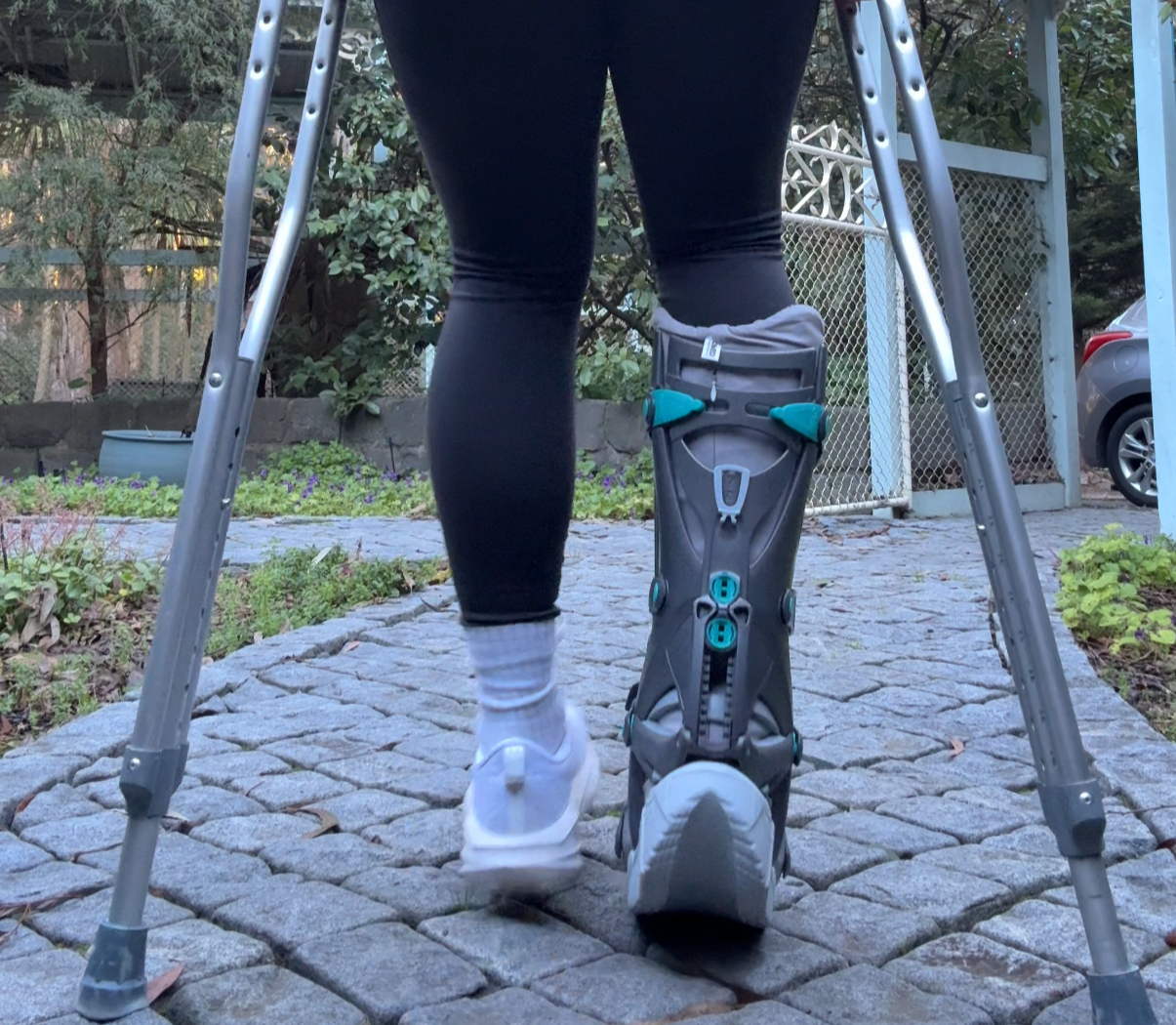
An Achilles rupture stops you in your tracks. One moment you're mid-sprint, the next you're on the ground wondering what just happened. The weeks and months that follow involve surgery, immobilisation, physiotherapy, and a long road back to full fitness.
Most athletes throw everything into the physical side of rehabilitation — physio appointments, hydrotherapy, strength work. Nutrition rarely gets the same attention. And that's a significant missed opportunity.
I know this firsthand. I ruptured my Achilles as an athlete and Sports Dietitian. At the time, there was no access to specific nutrition for Achilles rupture recovery — I was guessing, like most athletes do. What I've since learned through both clinical practice and lived experience is that what you eat during Achilles recovery directly influences how fast you heal, how much muscle you lose, and how well you perform when you return.
This guide covers everything you need to know about Achilles rupture nutrition — phase by phase, with practical strategies you can start implementing today!
WHO THIS GUIDE IS FOR:
This article is written for athletes and active people recovering from an Achilles rupture — whether surgical or conservatively managed. The nutritional principles apply to both pathways. If you want more practical takeaways or more information around your specific situation, see our injury recovery nutrition programs at spicenutrition.com.au/injury-recovery
Why Nutrition Matters More Than You Think:
The Achilles tendon is the largest tendon in the body. When it ruptures, the healing process is complex and slow — tendons have poor blood supply compared to muscle, which means the nutrients required for repair need to be delivered efficiently and in the right amounts.
Beyond the tendon itself, an Achilles rupture typically involves a period of immobilisation — boot, cast, or non-weight bearing — that causes significant and rapid muscle loss. Research consistently shows that muscle atrophy begins within days of immobilisation, with some studies demonstrating loss of up to 10% of muscle mass in the first two weeks alone.
Nutrition intervenes in three critical areas:
Muscle preservation — adequate protein intake significantly slows the rate of muscle atrophy during immobilisation
Tendon repair — specific nutrients directly support collagen synthesis and tissue healing
Inflammation management — dietary strategies can reduce chronic inflammation and support the resolution of the acute inflammatory response
Getting these three things right won't make your Achilles heal overnight — but it creates the optimal internal environment for your body to do its job. And when you're facing 6–12 months of rehabilitation, every marginal gain matters.
Phase 1 — Acute Stage (Week 1–2): Protect & Preserve
Manage Inflammation & Prevent Muscle Loss
The acute phase immediately following rupture or surgery is characterised by significant pain, swelling, and near-complete rest. Your energy needs drop slightly — but your protein needs actually increase. This is counterintuitive to many athletes, but it's critical.
Protein — your most important priority
During immobilisation, your muscles are in a catabolic state — meaning they're breaking down faster than they're being built. The primary nutritional intervention to slow this process is adequate protein intake.
Research supports protein targets of 2.2g+ per kilogram of body weight per day during injury recovery — higher than typical maintenance recommendations. For a 65kg athlete, that's 143g+ of protein daily.
Distribute this across 4–5 eating occasions throughout the day rather than concentrating it in one or two large meals. Protein synthesis is maximised when leucine — a key amino acid — reaches a threshold dose of approximately 2–3g per meal, which equates to roughly 25–40g of protein per eating occasion.
High protein food sources to prioritise:
Chicken breast (100g = ~31g protein)
Greek yoghurt (200g = ~18g protein)
Eggs (2 large = ~12g protein)
Canned tuna (95g tin = ~22g protein)
Cottage cheese (200g = ~22g protein)
Lentils (200g cooked = ~18g protein)
Anti-inflammatory nutrition
Inflammation is a necessary part of the early healing process — you don't want to completely suppress it. However, chronic or excessive inflammation beyond the acute phase slows healing and increases pain. Dietary strategies can support a healthy inflammatory response without interfering with initial healing.
Focus on increasing:
Omega-3 fatty acids — oily fish (salmon, sardines, mackerel) 2–3 times per week, or a high-quality fish oil supplement (4-5g EPA/DHA daily)
Antioxidant-rich vegetables and fruits — berries, leafy greens, broccoli, capsicum
Extra virgin olive oil — oleocanthal has similar mechanisms to ibuprofen in reducing inflammation
Energy intake — recalibrate downward
With reduced activity, your total daily energy needs drop slighlty. Continuing to eat at your normal training intake will lead to unwanted fat gain during recovery — which adds load to the healing tendon on return and can negatively affect your mood and body image during an already difficult period.
A rough guide: reduce your normal intake by 20–30% during full immobilisation, while maintaining or increasing protein. Focus the reduction on carbohydrates, since your need for training fuel is temporarily eliminated. Don't cut fat — healthy fats support the anti-inflammatory response.
IMPORTANT NOTE!!!
Don't reduce calories too aggressively. Inadequate energy intake impairs wound healing and immune function. The goal is modest adjustment — not restriction. If you're unsure, working with a Sports Dietitian to calculate your individual needs is worthwhile investment at this stage.
Phase 2 — Early Rehabilitation (Week 3–12): Repair & Rebuild
Support Tissue Repair & Maintain Conditioning
As rehabilitation begins and progressive loading is introduced, your nutritional focus shifts toward actively supporting tendon repair and rebuilding the muscle mass lost during immobilisation.
Collagen + Vitamin C — the most important strategy most athletes miss
This is the nutritional intervention with the strongest evidence base for tendon recovery — and almost no athlete does this!
Collagen is the primary structural protein in tendons. Collagen synthesis — the process of producing new collagen fibres — is a nutritionally dependent process that can be significantly enhanced with the right timing strategy.
Research has demonstrated that consuming 15g of collagen peptides with 50mg of vitamin C, approximately 30–60 minutes before a rehabilitation session, significantly increases collagen synthesis markers compared to placebo. The vitamin C acts as a co-factor in the hydroxylation of proline — a step essential for stable collagen formation.
Practical implementation:
Take 15g of collagen peptide powder with vitamin C added (Tendoforte is best!!!)
Consume 30–60 minutes before your physio session or loading exercises
Do this daily or on every day you complete rehabilitation loading
This strategy is most relevant from approximately week 3 onwards, once loading exercises have been introduced.
Creatine — underutilised in injury recovery
Creatine monohydrate is the most evidence-based supplement in sports science. In the context of injury recovery, it has demonstrated significant benefits for attenuating muscle loss during immobilisation and accelerating strength gains once rehabilitation loading begins.
A maintenance dose of 5g/day from the start of rehabilitation is appropriate. Creatine is safe, inexpensive, and usually batch-tested.
Maintain protein intake
As rehabilitation intensity increases, protein targets should stay high. Time a protein-rich meal or shake within 30 minutes post-rehabilitation session to maximise muscle protein synthesis during the recovery window.
Phase 3 — Rebuild Performance
Fuel Your Return & Protect Against Reinjury
As training load increases toward full return to sport, your nutrition strategy needs to progressively track upward to meet the new demands. This is the phase most athletes underestimate — and where under-fuelling becomes a real risk.
Key adjustments for this phase:
Increase carbohydrate intake progressively as training load increases — your muscles need glycogen to fuel sessions again
Reintroduce game-day fuelling strategies before return-to-sport testing and eventually match play
Continue collagen protocol before high-load sessions — tendon remodelling continues for up to 12 months post-rupture
Monitor body composition — muscle mass rebuilding should be tracked to ensure you're returning with adequate strength
Support long-term tissue resilience — adequate calcium, vitamin D and protein remain important for bone and tendon health beyond return to sport
What About Weight Gain During Recovery?
This is one of the most common concerns athletes raise — and it's understandable. Reduced activity, potential for comfort eating, and being unable to train your body in the ways you're used to can all create anxiety around body composition.
A few things to know:
Some weight change during recovery is normal and expected. Don't panic.
Aggressive calorie restriction during recovery is counterproductive — it slows healing and accelerates muscle loss
The priority during recovery is healing and preservation, not body composition manipulation
With the right protein intake and modest calorie adjustment, most athletes can maintain their body composition reasonably well during rehabilitation
Body composition goals are best addressed in the return-to-sport phase when you can actively train to support them
A NOTE ON MENTAL HEALTH DURING INJURY
Serious injury takes a significant psychological toll. The relationship between nutrition, mood and mental health is real — under-fuelling exacerbates mood disturbance, fatigue and cognitive function. Eating adequately during recovery is not just about your tendon — it's about supporting your mental health through a difficult period. If you're struggling, please reach out to a professional.
Sample Day of Eating — Early Rehabilitation Phase
Here's a practical example of what adequate Achilles recovery nutrition might look like for a 65kg female athlete in early rehabilitation:
Pre-physio (30–60 min before): 15g collagen peptides + banana
Breakfast: 3 egg omelette with spinach and feta, 2 slices wholegrain toast
Morning snack: 200g Greek yoghurt with berries
Lunch: Large chicken and quinoa salad with avocado, roasted vegetables, olive oil dressing
Afternoon snack: Cottage cheese on rice crackers, cucumber and capsicum
Dinner: Grilled salmon with roasted sweet potato and broccolini, drizzle of olive oil
Evening: 2 sqaures dark chocolate
This example provides approximately 130–140g protein, adequate energy for the rehabilitation phase, and covers the key micronutrients relevant to recovery.
The Bottom Line:
Achilles rupture nutrition isn't complicated — but it does require intention. The key priorities across your recovery are:
Protein: 2.2g+/kg/day, spread across the day, prioritised from day one
Collagen + Vitamin C: 15g collagen + 50mg vitamin C, 30–60 minutes before rehabilitation sessions
Omega-3: 4-5g EPA/DHA daily from oily fish or fish oil supplement
Creatine: 5g/day from early rehabilitation onwards
Energy calibration: modest reduction in total intake during immobilisation, progressive increase as training returns
Anti-inflammatory foods: oily fish, olive oil, berries, leafy greens, turmeric
Your body has a remarkable capacity to heal. Give it the tools it needs.
Get an Achilles Recovery Nutrition Plan
Spice Nutrition offers injury recovery nutrition for Achilles rupture and ACL reconstruction — phase-specific meal plans, supplement protocols, and ongoing support from an Accredited Sports Dietitian who has lived the experience. Visit: spicenutrition.com.au/injury-recovery
This article is written for general informational purposes and does not constitute individual medical or nutritional advice. For personalised guidance specific to your injury and recovery, consult an Accredited Sports Dietitian.