
Anti-Inflammatory Foods for Achilles Recovery: What to Eat (and What to Avoid)
Not all inflammation after an Achilles rupture is the enemy. Here's how to eat in a way that supports healing at every phase — including what to limit and why.
The week after I ruptured my left Achilles playing AFL, my ankle was swollen, bruised, and throbbing. The inflammation was visible and unmistakable.
My instinct — and the instinct of almost every injured athlete I've worked with since — was to get rid of it as fast as possible. Ice it, elevate it, take anti-inflammatories, eat "clean." Whatever it took to make it stop.
But here's what I didn't fully appreciate at the time, even as a Sports Dietitian: not all inflammation after an Achilles rupture is working against you. And how you eat in the different phases of your recovery should reflect that.
The Two Phases of Inflammation — and Why They Matter
Understanding this distinction is one of the most important things you can take away from this post.
PHASE 1 - Acute Inflammation(Roughly weeks 1–4)
This phase is necessary. The inflammatory response kicks off the healing cascade — it clears damaged tissue, signals repair cells to arrive, and lays the groundwork for new collagen production. Aggressively suppressing inflammation at this stage can actually interfere with the repair process. This is also one reason to have a careful conversation with your doctor before reaching for NSAIDs like ibuprofen in the early weeks.
PHASE 2 - Chronic Inflammation(Weeks 4+ through rehab)
This is where the problem lies. If inflammation doesn't resolve and healing stalls, collagen synthesis can be impaired and recovery slows significantly. This is where nutrition becomes one of your most powerful tools.
The goal with anti-inflammatory eating is not to obliterate inflammation from day one. It's to support a healthy inflammatory response in the early phase, and then actively help it resolve as you move into repair and remodelling. The two phases require different approaches.
The Best Anti-Inflammatory Foods for Achilles Recovery
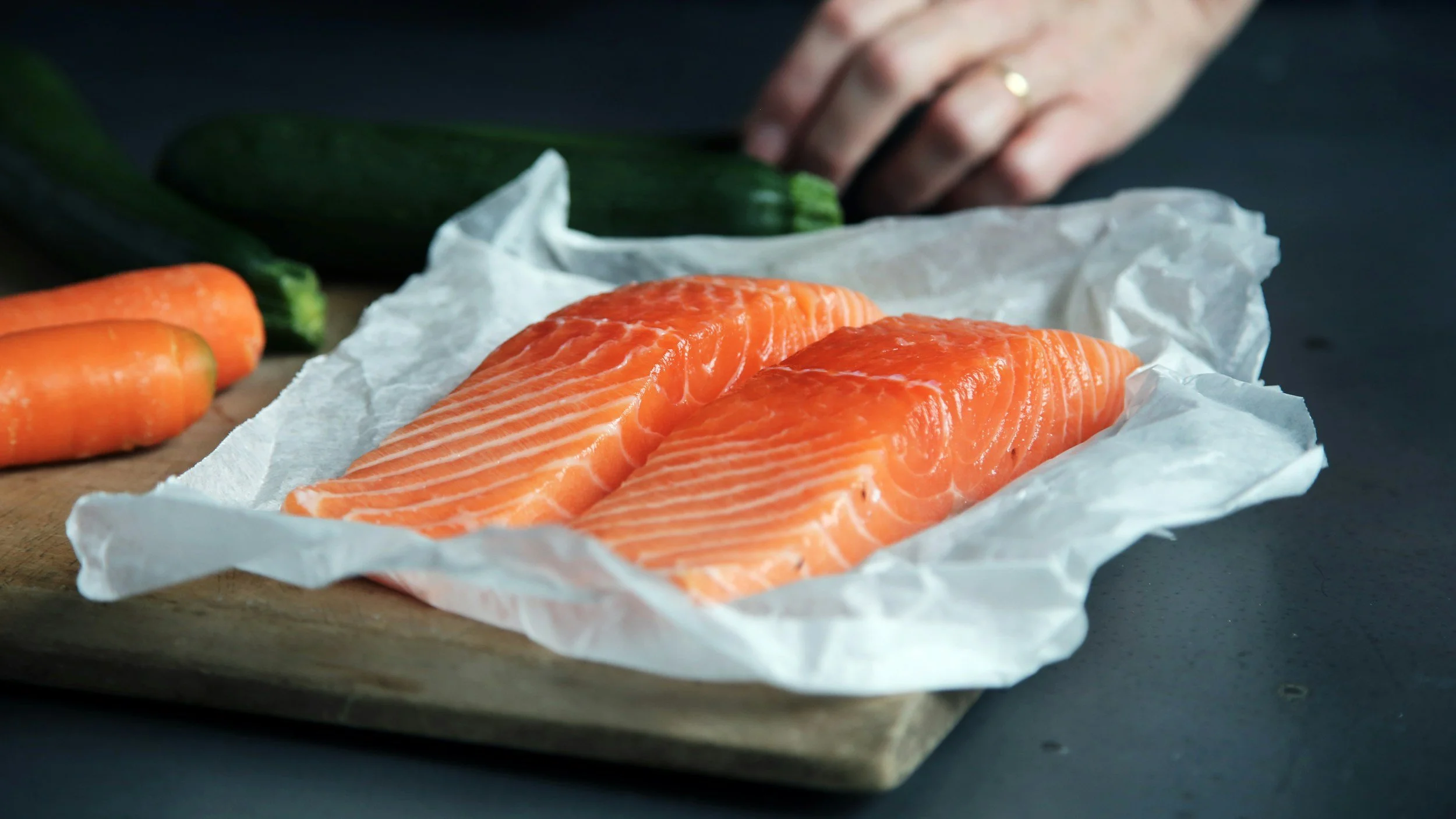
Oily fish (salmon, sardines, mackerel, trout) - The omega-3 fatty acids EPA and DHA are among the most well-researched anti-inflammatory nutrients in sports medicine. They work by competing with pro-inflammatory compounds and helping the body resolve inflammation rather than perpetuate it. Aim for 2–3 serves per week, or consider a high-quality fish oil supplement.
Berries (blueberries, tart cherries, strawberries) - Rich in polyphenols — plant compounds that modulate the inflammatory pathways involved in tissue repair. Tart cherry in particular has been used extensively in sports recovery research. I had frozen blueberries in smoothies most mornings during my recovery. Easy to prepare from the couch. Genuinely useful.
Leafy greens (spinach, kale, rocket) - High in antioxidants, vitamin K, and vitamin C — the latter being critical for collagen synthesis. Easy to add to eggs, smoothies, or a quick pasta without any serious cooking effort.
Turmeric - Curcumin, the active compound in turmeric, has demonstrated anti-inflammatory effects in multiple well-designed studies. For meaningful amounts from food, use it liberally in cooking. For a more targeted effect, a curcumin supplement with piperine (black pepper extract) significantly improves absorption.
Extra virgin olive oil - Contains oleocanthal, a compound that functions similarly to ibuprofen at a molecular level. Using EVOO as your primary cooking and dressing fat throughout recovery is a low-effort, high-value habit.
Nuts and seeds (walnuts, flaxseeds, chia seeds) - Another source of plant-based omega-3 fats, alongside vitamin E and other antioxidants. Easy to add to yoghurt, oats, or smoothies — which matters a lot when you're managing crutches and limited kitchen mobility.
Green tea - Contains EGCG, a polyphenol with well-documented anti-inflammatory properties. Swapping one or two coffees for green tea during recovery is an easy, low-barrier change with genuine physiological support behind it.
RECOVERY RULE
You don't need to overhaul your entire diet. Consistently including two or three of these foods each day is enough to meaningfully shift your inflammatory environment — and that shift compounds over the months of your recovery.
What I Actually Ate
I'm not going to pretend I ate perfectly. The first two weeks after surgery, I was exhausted, uncomfortable, and largely dependent on whatever people brought me. Nutrition took a back seat to just getting through the day.
But once I found my feet — literally and figuratively — I made a deliberate effort to build these foods in consistently:
Salmon or sardines three times a week
Frozen blueberries and stewed apple in breakfast most mornings
Nuts and seeds in multiple meals throughout the day
Extra virgin olive oil on almost everything
Green tea in the afternoon instead of a second coffee
Did it make my recovery faster? I genuinely can't attribute outcomes to specific foods with certainty. But I know I was giving my body the best possible nutritional environment to heal — and that sense of agency, of doing something active during a period when so much felt out of my control, mattered enormously.
What to Limit or Avoid
Just as important as what you add is what you pull back on.
Ultra-processed foods and refined carbohydrates — promote systemic inflammation and offer very little nutritional value for tissue repair
Excess alcohol — impairs immune function, disrupts sleep quality (one of your most powerful recovery tools), and interferes with protein synthesis
Excess added sugar — consistently associated with elevated inflammatory markers in recovery populations
This isn't about perfection. It's about tilting the scales in your favour during a period when your body is working incredibly hard.
A Note on Anti-Inflammatory Medications (NSAIDs)
Many people reach for ibuprofen or naproxen after an Achilles rupture — and your surgical team may well have prescribed them for pain management. But it's worth having a specific conversation with your doctor about timing, particularly in the early post-operative phase. Some research suggests NSAIDs in the very early healing period may interfere with the inflammatory cascade that initiates tendon repair.
Food-based anti-inflammatory strategies carry no such risk. They are safe, beneficial, and appropriate throughout every phase of recovery.
KEY POINT:
Anti-inflammatory eating after an Achilles rupture isn't a separate strategy from protein intake or collagen supplementation. All three work together. A diet rich in anti-inflammatory foods supports the collagen synthesis process and helps keep protein synthesis running efficiently. They are the same plan.
The Bottom Line
Anti-inflammatory eating after an Achilles rupture is not about following a specific diet or removing entire food groups. It's about consistently choosing foods that help your body resolve inflammation, synthesise collagen, and maintain muscle — all at the same time.
Build in the oily fish, the berries, the greens, the olive oil. Be mindful of the ultra-processed food and excess alcohol. And be patient — recovery from an ATR is long, and small, consistent habits compound significantly over months.
Want a complete anti-inflammatory eating plan for every phase of Achilles recovery?
The Nutrition for Achilles Rupture ebook covers anti-inflammatory eating, protein targets, the collagen protocol, and practical meal strategies — written by a Sports Dietitian who ruptured her own Achilles and returned to full sport.
Download your free copy → spicenutrition.com.au/achilles-ebook
About the Author: Bella Rennick
Bella is an Accredited Sports Dietitian and AFL player who ruptured her left Achilles and returned to full sport. She specialises in injury recovery nutrition and works with athletes at all levels. Learn more at spicenutrition.com.au/about