
Collagen Supplements for Achilles Tendon Healing — Do They Actually Work?
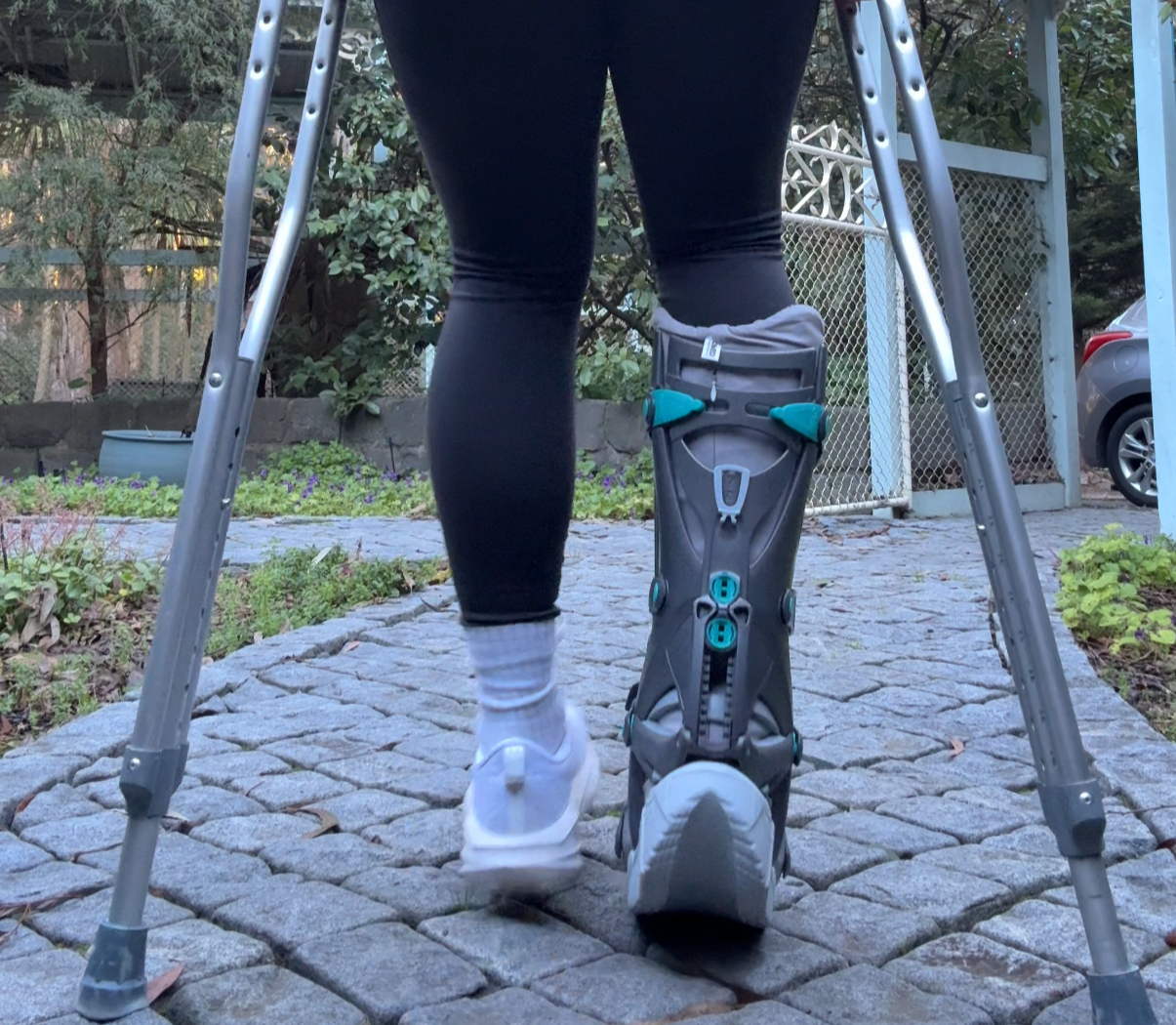
Collagen supplements are everywhere in Achilles recovery forums. Here's what the evidence actually says — and the protocol I used during my own recovery.
After I ruptured my left Achilles playing AFL, I did what most injured athletes do: disappeared into a research rabbit hole at 11pm with my leg elevated. Collagen supplements kept coming up. Forums, physio blogs, Instagram. Everyone had a strong opinion — either it was a miracle recovery tool or a complete waste of money.
As a Sports Dietitian who has now been through the process myself, I want to give you an honest, evidence-based answer. Not hype. Not dismissal. Just what the research actually says and what I did.
Why Collagen Is Central to Achilles Recovery
Your Achilles tendon is made up of approximately 95% collagen — specifically, tightly wound Type I collagen fibres. When you rupture it, that structure is torn apart, and your body has to rebuild it essentially from scratch.
Collagen synthesis is not a nice-to-have in recovery. It is the recovery. Your surgical repair, your physio appointments, your rehab exercises — all of it creates the conditions for collagen to be laid down. But your body still has to actually make it. And to make collagen, it needs specific raw materials.
KEY POINT: The Achilles tendon has one of the poorest blood supplies of any tissue in the body. This is part of why it ruptures and why it heals slowly — nutrients reach the tendon via diffusion, not direct blood flow. This makes dietary support for collagen synthesis more important, not less.
What the Research Actually Says
The evidence on collagen supplementation for tendon injury has grown meaningfully over the last five years. Here's an honest summary of where things stand:
What the research supports:
Studies using 15g of hydrolysed collagen (or gelatin) combined with vitamin C, taken approximately 60 minutes before loading exercise or physiotherapy, have shown increased collagen synthesis markers in the bloodstream
The timing appears to matter — taking it before a rehab session appears to direct the amino acids toward the tendon tissue being loaded during that session
Vitamin C is an essential cofactor in the collagen synthesis process — without it, the collagen precursors your body produces can't be properly cross-linked into functional tissue
The honest caveats:
Most studies have been small in scale
Research has been conducted on tendons and ligaments generally — there is less specific data on complete Achilles ruptures post-surgery
Supplement quality varies enormously; not all collagen products are equivalent
The bottom line: The mechanism is solid, the early evidence is genuinely promising, and the risk profile is very low. For a serious tendon injury, this is one of the few supplements where the science actually supports use.
What I Did During My Own Recovery
I started taking hydrolysed collagen with vitamin C approximately one week post-surgery after doing the research and my protocol was simple:
15g Tendoforte collagen + 50mg vitamin C
Taken 45–60 minutes before each rehab session
Continued throughout all phases of rehab until return to sport
Did I notice a dramatic difference? Honestly, it's hard to say with certainty. Recovering from an Achilles rupture involves so many variables — surgical technique, rehab quality, sleep, overall nutrition, genetics — that it's impossible to isolate any single factor. What I can say is that the evidence gave me enough confidence that it was worth including, and I had no side effects whatsoever.
How to Take Collagen for Achilles Recovery: The Practical Guide
What to look for in a supplement:
Tendoforte collagen — best evidenece for Tendon healing
A product with Vitamin C added
No unnecessary fillers or complex proprietary blends
TIMING: 45–60 minutes before your physio or rehab session
DOSE: 15g Tendoforte collagen + 50mg vitamin C
FREQUENCY: Daily during active rehab, minimum on rehab specific days during return to run and sport
Food sources that provide similar building blocks:
Long-cooked bone broth (homemade or quality store-bought)
Slow-cooked skin-on chicken
Gelatinous cuts of meat
These are harder to dose precisely but absolutely worth including alongside any supplement protocol.
Don't Forget Vitamin C
Vitamin C deserves its own mention. Even if you choose not to use a collagen supplement, ensuring adequate vitamin C throughout your recovery is a simple, low-cost strategy that is well supported by the underlying science of tendon repair.
Aim for at least 200mg per day through food and supplementation combined.
Good food sources:
Kiwi fruit
Red capsicum
Citrus fruits
Strawberries
Broccoli
Common Questions
Can I get enough collagen from food alone? It's difficult to achieve the evidence-based dose of 15g consistently from food without supplements. Including collagen-rich foods is valuable, but a supplement makes dosing more reliable — particularly during the phase when you're actively rehabbing.
When should I start taking it? The most evidence exists for using collagen before loading-based physiotherapy sessions. This typically begins a few weeks post-surgery once your physio clears tendon loading. There is less evidence for the very early post-operative phase when the tendon is fully immobilised.
How long should I take it? Throughout the active tendon loading and rehab phase — typically from first loading through to return to sport. This is generally several months.
The Bottom Line
If you are in active physiotherapy for an Achilles rupture, the evidence supports including collagen supplementation as part of your nutrition strategy. It is not magic and it will not replace good rehab or adequate overall nutrition. But the mechanism is sound, the early research is promising, and the practical risk is essentially zero.
Take 15g of Tendoforte collagen with 50mg of vitamin C, 45–60 minutes before each rehab session. Pair it with a vitamin C-rich diet, strong protein intake, and consistent attendance at your rehab appointments.
Want the complete supplement and nutrition guide for every phase of Achilles recovery?
The Nutrition for Achilles Rupture ebook covers protein targets, the full collagen protocol, anti-inflammatory eating, and practical meal strategies — written by a Sports Dietitian who has been through it herself.
Download your free copy → spicenutrition.com.au/achilles-ebook
About the Author: Bella Rennick
Bella is an Accredited Sports Dietitian and AFL player who ruptured her left Achilles and returned to full sport. She specialises in injury recovery nutrition and works with athletes at all levels. Learn more at spicenutrition.com.au/about