
Iron Deficiency in Female Footballers: Signs, Causes and What to Do
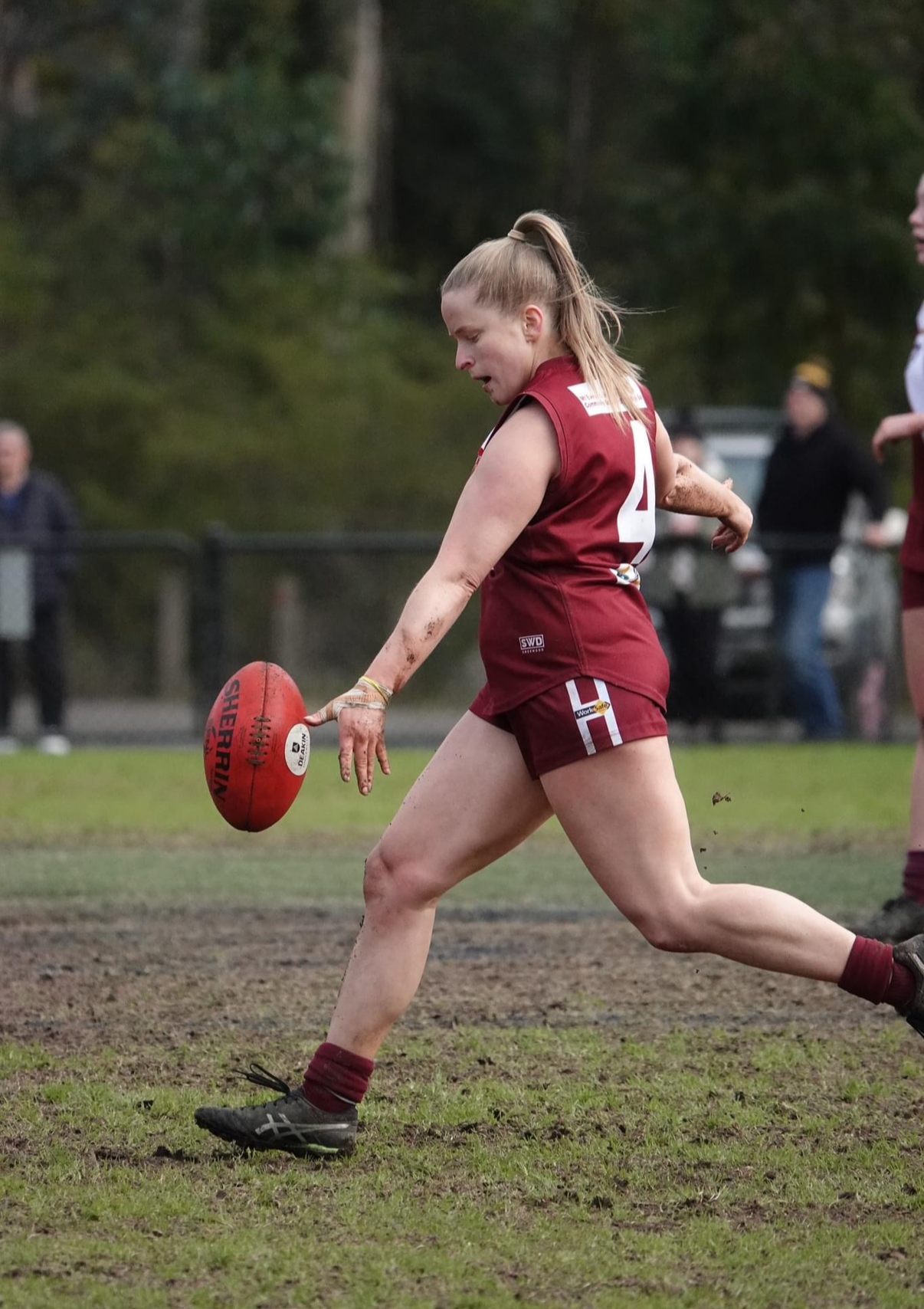
If you've been tired, flat in training, and told to 'just sleep more' — iron deficiency might be the real reason. It's one of the most common and most under-diagnosed issues in female footballers, and it's completely fixable.
Iron deficiency is the most common nutritional deficiency in the world, and female athletes are among the most at-risk groups. For female footballers specifically — whether you're playing elite AFLW, VFLW, or community women's football — the combination of high training loads, menstrual blood losses, and often inadequate dietary intake creates a perfect storm.
The frustrating part is that the symptoms of iron deficiency look a lot like overtraining, poor sleep, or simply 'not being fit enough.' Which means a lot of female footballers are grinding through deficient iron stores for months — sometimes seasons — without ever knowing that's the problem.
This guide covers everything you need to know about iron deficiency in female footballers: what it is, why female footballers are especially vulnerable, how to recognise it, how to test for it, and exactly what to do if your levels are low.
What Is Iron Deficiency — and Why Does It Affect Performance?
Iron is a mineral your body needs to make haemoglobin — the protein in red blood cells that carries oxygen from your lungs to your working muscles. When iron levels are low, your body can't make enough functional red blood cells, which means less oxygen gets delivered to your muscles during exercise.
For a footballer, that translates directly to performance. Less oxygen to the muscles means reduced aerobic capacity, slower recovery between efforts, impaired concentration, and a noticeable drop in your ability to sustain high-intensity work late in games.
Iron deficiency exists on a spectrum:
Stage 1: Iron Depletion
Stored iron (ferritin) is low but red blood cells are still normal. No obvious symptoms yet, but performance may begin to decline. Most athletes at this stage don't know anything is wrong.
Stage 2: Iron Deficiency
Iron stores are depleted and red blood cell production starts to be affected. Fatigue, reduced performance and mood changes begin to appear. Ferritin is low; haemoglobin may still be within normal range.
Stage 3: Iron Deficiency Anaemia
Haemoglobin is now low. Red blood cells are smaller and less effective at carrying oxygen. Significant fatigue, breathlessness, and performance impairment. This is the most severe stage.
The important point: you don't need to be anaemic to have your performance affected. Iron depletion and iron deficiency without anaemia are both enough to impair your training and match-day output.
Why Female Footballers Are at Higher Risk
Female athletes have a significantly higher risk of iron deficiency than male athletes — and female footballers face an additional layer of risk beyond what most female athletes deal with. Here's why:
Menstrual blood loss
Menstruation is one of the primary routes through which women lose iron. Heavier or longer periods increase iron loss substantially. Female athletes with irregular cycles due to low energy availability may actually lose less iron through menstruation — but low energy availability brings its own set of serious problems (see our guide to low energy availability for more on this).
High training demands
Intense training increases iron needs in multiple ways. Foot-strike haemolysis — the destruction of red blood cells from the repeated impact of running — is a contributor, as is increased iron loss through sweat. Higher training loads also increase the body's demand for oxygen delivery, meaning your iron requirements go up at the same time as your losses do.
Dietary inadequacy
Research on AFLW athletes found that 87% of players failed to meet their iron requirements from diet alone. This isn't unique to elite players — it's a widespread pattern across all levels of women's football, driven by a combination of insufficient total food intake, low red meat consumption, and inadequate knowledge about iron-rich food sources.
Low energy availability
Female footballers who are under-fuelling — consuming less energy than their training demands require — are at even higher risk of iron deficiency. When the body is in a state of low energy availability, absorption of iron and other micronutrients is impaired, and hormonal changes can affect red blood cell production.
Inflammation from heavy training
Intense exercise causes a temporary increase in a protein called hepcidin, which reduces iron absorption from the gut for several hours after training. This is one of the reasons why the timing of iron-rich meals matters — and why simply eating more iron isn't always enough if your training schedule isn't accounted for.
WORTH KNOWING
Female footballers who are vegetarian or vegan face additional risk. Plant-based (non-haem) iron is absorbed at a much lower rate than the haem iron found in meat and fish. This doesn't mean a plant-based diet is incompatible with playing football — but it does mean iron management needs to be more intentional and carefully planned.
Signs and Symptoms: Is Iron Deficiency Affecting You?
The symptoms of iron deficiency are easy to miss or misattribute. Many athletes assume they're just tired from training, not sleeping well, or going through a rough patch. These are the signs worth taking seriously:
✓ Persistent fatigue that doesn't resolve with rest
✓ Frequent illness or slow recovery from colds
✓ Feeling flat or heavy in training
✓ Feeling cold more often than usual
✓ Reduced performance despite consistent training
✓ Pale skin or pale inner eyelids
✓ Breathlessness during efforts that previously felt manageable
✓ Brittle nails or hair loss
✓ Poor concentration and mental fog
✓ Unusual cravings for non-food items (ice, dirt — a condition called pica)
✓ Increased heart rate during exercise
✓ Mood changes, irritability, or low motivation
IMPORTANT
None of these symptoms alone confirms iron deficiency — they can be caused by many things. The only way to know for certain is a blood test. If you're experiencing several of these symptoms, especially alongside heavy training, see your GP and ask specifically for a full iron panel.
How to Test for Iron Deficiency
A standard full blood count (FBC) will tell you if you have iron deficiency anaemia — but it won't catch iron deficiency in its earlier stages. To get a full picture of your iron status, you need to ask your GP for a complete iron studies panel.
What to ask for
Serum ferritin — the most important measure for athletes. This tells you how much iron is stored in your body. Low ferritin is often the first sign of iron depletion, even before haemoglobin is affected.
Serum iron — measures iron circulating in your blood.
Transferrin saturation — shows how well iron is being transported.
Haemoglobin — measures the oxygen-carrying protein in red blood cells. Only low in more severe deficiency.
Full blood count (FBC) — gives a broader picture of red blood cell health.
What the numbers mean for athletes
Standard laboratory reference ranges for ferritin are set for the general population, not athletes. A ferritin level that falls within the 'normal' reference range may still be suboptimal for an athlete's performance.
ATHLETE-SPECIFIC TARGETS
Most sports medicine guidelines suggest athletes aim for a ferritin level above 30–35 μg/L as a minimum, with many sports dietitians and sports physicians recommending 50 μg/L or above for optimal performance. If your GP says your results are 'normal' but your ferritin is between 15–30 μg/L, it may still be worth addressing — especially if you're symptomatic.
When to test
The best time to test is before pre-season — giving you time to address any deficiency before your training load ramps up. Testing mid-season is also valuable if you notice symptoms. Avoid testing within 24–48 hours of hard training, as exercise-induced inflammation can temporarily alter some iron markers.
Iron-Rich Foods for Female Footballers
There are two types of dietary iron: haem iron, found in animal products, and non-haem iron, found in plant foods. Haem iron is absorbed at roughly 15–35%, while non-haem iron is absorbed at only 2–20% depending on what else you eat alongside it.
This doesn't mean plant-based eaters can't get enough iron — but it does mean they need to be more strategic about food combinations and quantity.
Examples:
Beef (85g cooked) - 3.0 mg
Haem iron — most bioavailable form
Lamb (85g cooked) - 2.1 mg
Haem iron — pair with vitamin C to boost
Canned tuna (85g) - 1.3 mg
Easy to add to recovery meals
Chicken thigh (85g) - 1.1 mg
Lower than red meat but haem source
Lentils (½ cup cooked) - 3.3 mg
Non-haem — pair with vitamin C
Tofu, firm (½ cup) - 3.4 mg
Non-haem — excellent plant source
Spinach (½ cup cooked) - 3.2 mg
Non-haem — cook it to increase absorption
Chickpeas (½ cup cooked) - 2.4 mg
Non-haem — add lemon juice when serving
Fortified breakfast cereal (1 serve) - up to 10 mg
Check label — varies widely by brand
Pumpkin seeds (30g) - 2.5 mg
Easy to add to snacks and salads
The absorption equation: what to eat together
What you eat alongside iron-rich foods significantly changes how much iron you actually absorb. This is one of the most actionable and underused tools for improving iron status without supplements.
✓ Enhances Iron Absorption
Vitamin C (citrus, capsicum, kiwi, strawberries)
Vitamin A and beta-carotene
Eating meat/fish alongside plant iron
Cooking in a cast iron pan
✗ Inhibits Iron Absorption
Tea and coffee (tannins) — wait 1 hr after meals
Calcium-rich foods eaten at same time
Phytates in whole grains (reduce by soaking)
Polyphenols in red wine
Practical tip: make it a habit to squeeze lemon juice over iron-rich salads or legume dishes, eat your steak with roasted capsicum, and hold off on your post-meal tea or coffee for at least an hour — especially if iron deficiency is a concern for you.
Iron Supplementation: When Food Isn't Enough
In some cases, dietary changes alone won't be enough to restore iron levels — particularly if deficiency is already established, if you have consistently heavy periods, or if your training load is very high. This is when iron supplementation becomes necessary.
Iron supplementation should always be guided by blood test results and ideally supervised by a GP or Accredited Sports Dietitian. Taking iron supplements unnecessarily can cause GI side effects and, in large doses, can be harmful.
Types of iron supplements
Ferrous sulphate — the most common and least expensive. Effective but often causes GI side effects (constipation, nausea, stomach cramping) at standard doses.
Ferrous bisglycinate (gentle iron) — better tolerated than ferrous sulphate with fewer GI side effects. A good first choice for athletes who can't tolerate standard iron.
Iron infusion (IV iron) — used for severe deficiency or when oral supplementation isn't working. Administered in a medical setting. Faster and more reliable correction of iron levels than oral supplements.
Tips for taking iron supplements effectively
Take on an empty stomach or with vitamin C (orange juice, for example) to maximise absorption.
Avoid taking iron at the same time as calcium supplements, dairy, coffee, or tea.
Don't take iron within 1–2 hours of training — hepcidin levels spike post-exercise and reduce absorption.
Split the dose across days if GI side effects are an issue — every other day dosing can be as effective as daily for some people.
Retest ferritin 8–12 weeks after starting supplementation to monitor progress.
DON'T SELF-DIAGNOSE
Iron supplements are not a general energy booster and shouldn't be taken without confirmed deficiency on a blood test. If you're tired and think it might be iron, get tested first — there are many other causes of fatigue in athletes that supplementing iron won't fix.
Building Iron-Supportive Eating Habits Into Your Football Week
Managing iron long-term isn't about one perfect meal — it's about consistent habits across your week. These are the highest-leverage changes to make:
Eat red meat 3–4 times per week if you're not vegetarian or vegan. Lean beef or lamb are the most bioavailable iron sources available. Even 85–100g portions make a meaningful difference.
Add vitamin C to every plant-based iron meal. A squeeze of lemon on lentil soup, capsicum in your tofu stir fry, or a glass of orange juice with your iron-fortified cereal.
Push your post-training tea or coffee back an hour. This simple timing change can meaningfully improve absorption from your meals.
Don't restrict your food intake during pre-season. Low energy availability impairs iron absorption on top of everything else. If you're running a heavy training load, this is not the time to cut calories.
Get tested before you think you need to. By the time you're symptomatic, deficiency is already established. Annual testing before pre-season is good practice for any female footballer.
Work with a Sports Dietitian if your iron is chronically low. Persistent iron deficiency despite dietary changes warrants a personalised assessment — there may be absorption issues, a menstrual health component, or a training structure factor that needs to be addressed.
Want a Complete Iron & Female Footy Nutrition Plan?
The Fuel for Footy AFLW Nutrition Course dedicates a full module to iron and bone health for female footballers — covering testing, dietary strategies, and supplement protocols. 8 modules total, self-paced, written by an Accredited Sports Dietitian who has played the game.
Enrol now → spicenutrition.com.au/aflw-nutrition-course
Key Takeaways
Iron deficiency is the most common nutritional deficiency in female footballers — and most athletes don't know they have it.
You don't need to be anaemic for your performance to be affected. Iron depletion affects training and match-day output before haemoglobin drops.
Ask your GP for a full iron studies panel including ferritin — not just a standard blood count.
Athlete-optimal ferritin is generally above 35–50 μg/L, which may be 'normal' on a standard lab reference range.
Eat red meat 3–4 times per week if you're not plant-based. If you are, be strategic about food combinations and quantity.
Always pair non-haem (plant) iron with vitamin C, and hold off on tea and coffee for an hour after iron-rich meals.
Supplement only with confirmed deficiency on a blood test, and always retest to monitor your progress.
If you're a female footballer and this resonates — a blood test is the single best thing you can do today. Book it with your GP and ask specifically for iron studies including ferritin. It costs almost nothing and the information it gives you is genuinely valuable.
About the Author: Bella Rennick
Bella is an Accredited Sports Dietitian and Australia's leading female footy nutrition specialist. She played u18 Girls for the Eastern Ranges in the NAB Talent League, trained with the Hawthorn VFLW squad, and has worked as Sports Dietitian at a national AFL Coaching Academy. She has coached 1,000+ athletes across AFL, AFLW and related sports. Learn more at spicenutrition.com.au/about